
our blog 2024-12-05 - Understanding Gold Purity: Karats, Fineness, and Certification
Gold purity directly affects value, usability, and compliance. Here is a straightforward guide to karats, fineness grades, and what certification you should always request.
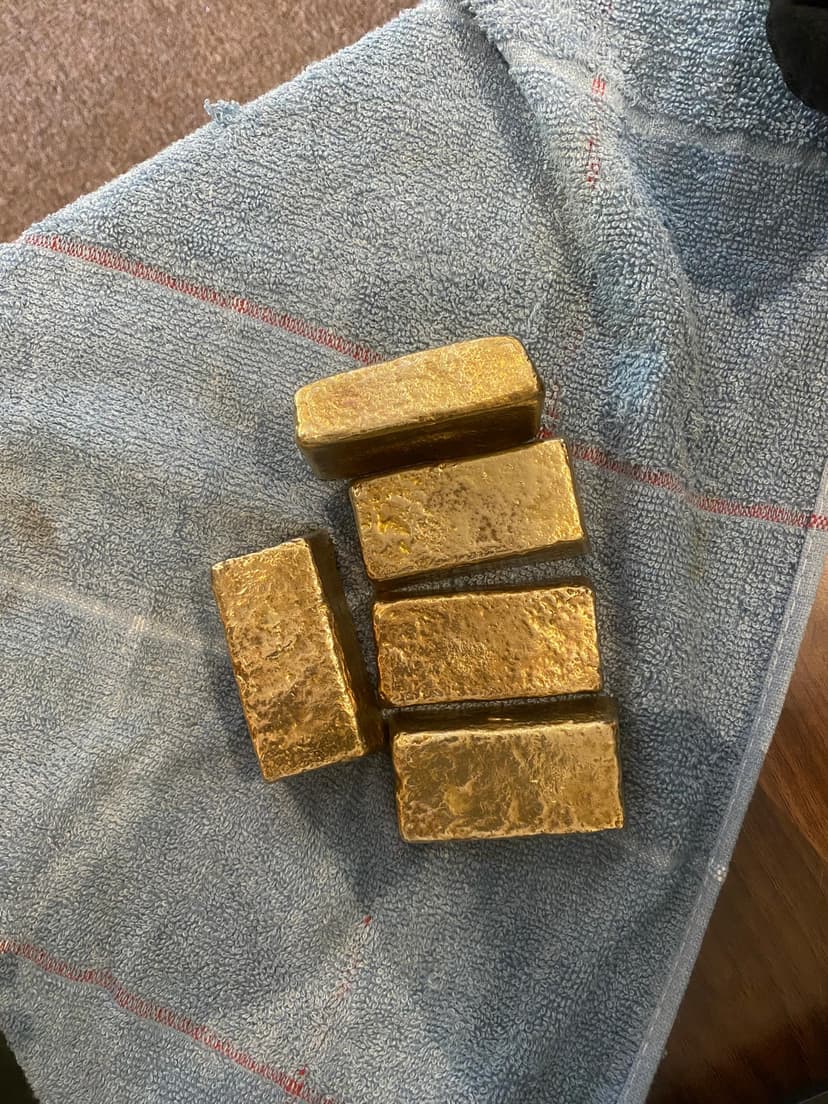
Karats vs Fineness: What is the Difference?
Gold purity is expressed in two ways — karats and fineness. Karats measure the proportion of gold in an alloy out of 24 parts. So 24K gold is 100% pure, 22K is 91.7% pure, and 18K is 75% pure. Fineness expresses purity as parts per thousand — so 999 fineness means 99.9% pure gold. Investment-grade gold bars are typically 999 or 9999 fineness.
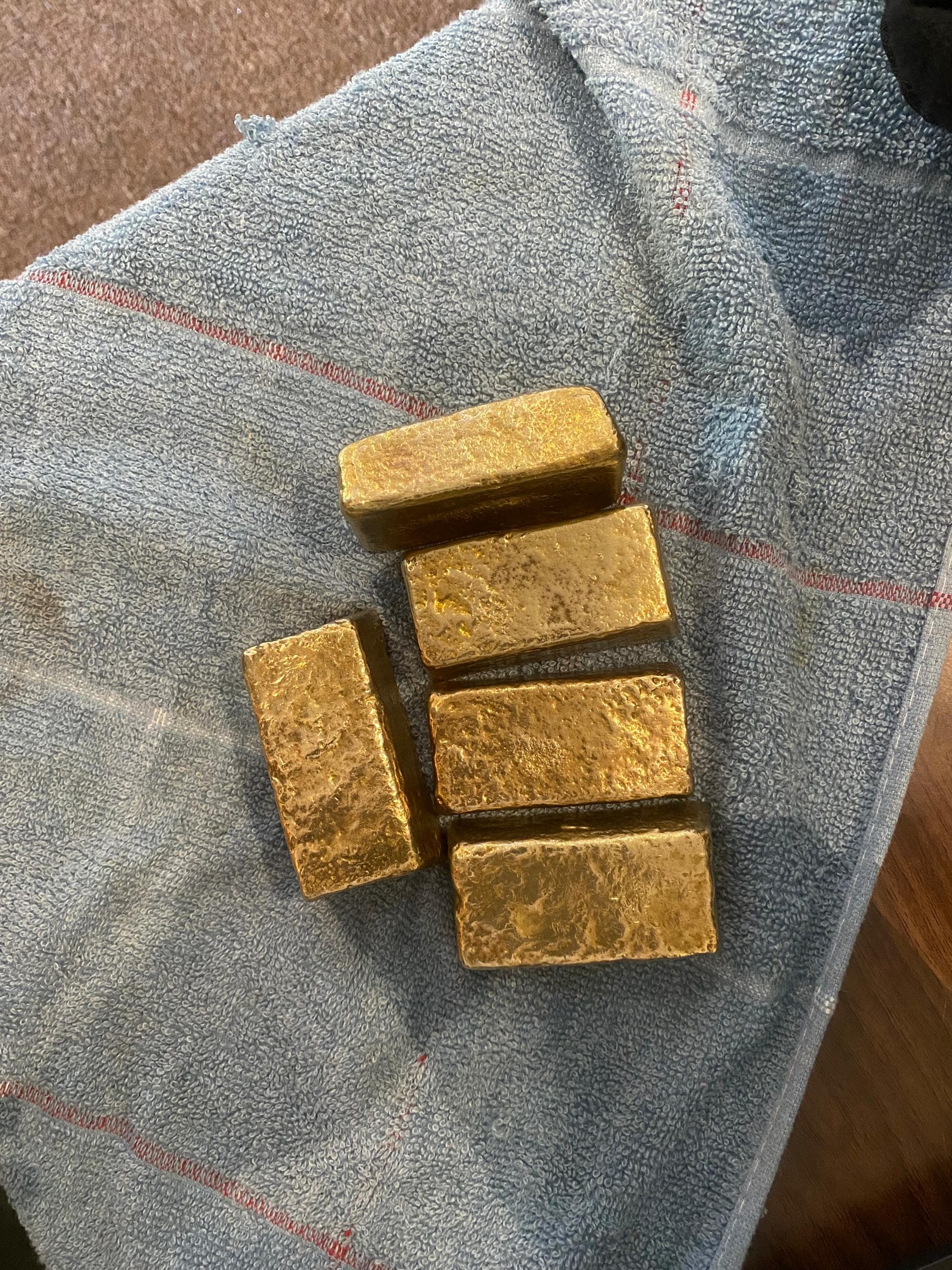
What is an Assay Certificate and Why Do You Need One?
An assay certificate is an official document issued by an independent testing laboratory confirming the purity and weight of a gold item. For investment-grade gold, this certificate is non-negotiable. It protects the buyer by providing third-party verification that the gold matches the seller's claims. At Lamb Exclusive Minerals, every gold transaction is accompanied by a full assay certificate from an accredited testing facility.
Common Gold Purity Grades
- 999.9 (24K) — Investment grade, purest form available
- 999 (24K) — Standard investment bars and coins
- 916 (22K) — Common for jewellery in many markets
- 750 (18K) — Popular European jewellery standard
- 585 (14K) — Common in North American jewellery
- 375 (9K) — Minimum gold standard in the UK
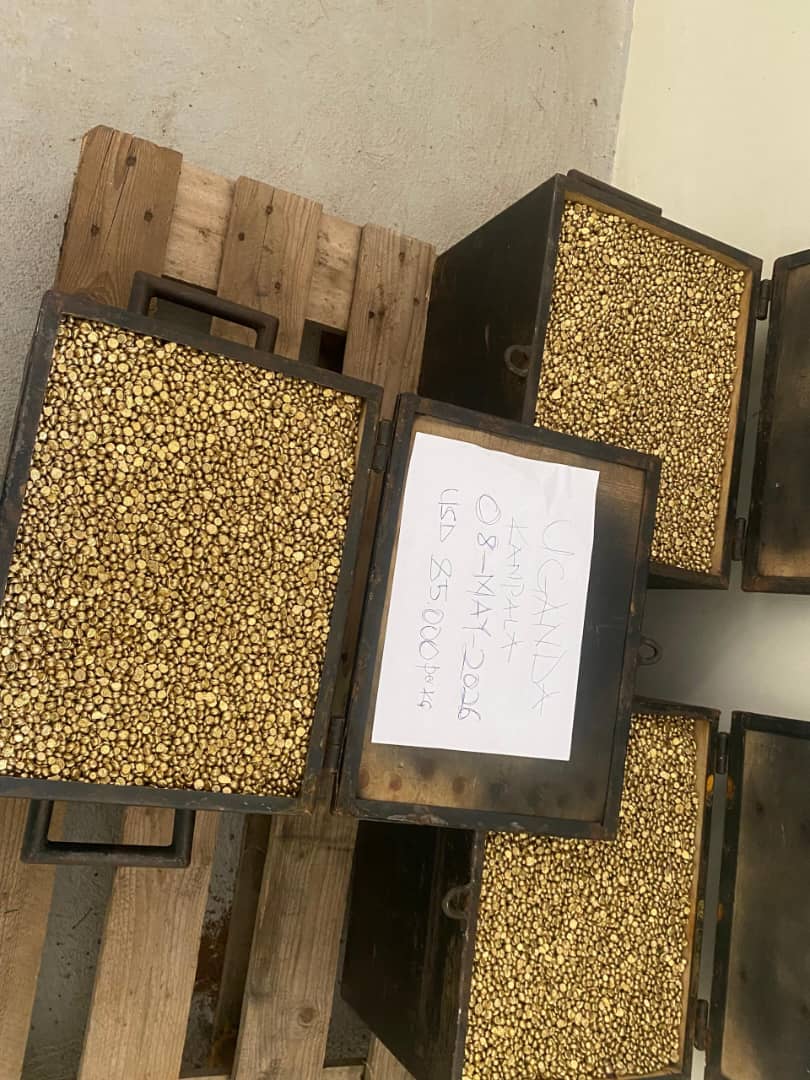
Key Questions to Ask Before Any Gold Purchase
What is the exact purity grade and how was it verified?Is an independent assay certificate included with the purchase?What is the gold's country of origin and mining source?Are all export and compliance documents in order?Is the price based on the current live gold spot rate?